
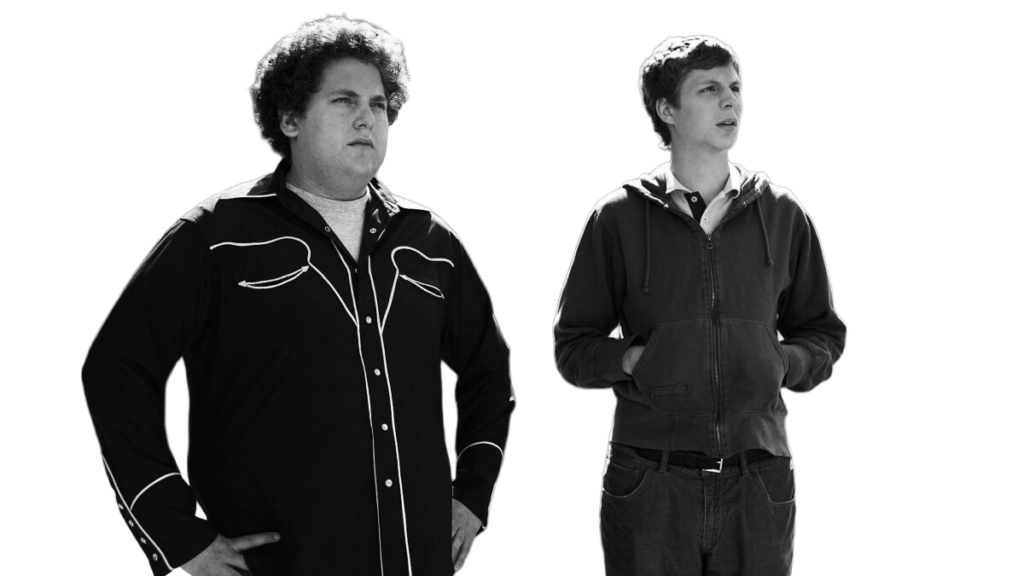
I’ve kept in touch with fewer people than I hoped after moving to a city where I didn’t know anyone.
After graduation, I sat down and listed all the people I wanted to remain in contact with, literally writing their names down in a journal. I never really went back and checked that I was following through on it.
My assumption is that this feeling is probably common amongst many of us in our 20s. Not as many people are reaching out as you previously idealized. It isn’t necessarily an indicator of any specific failure, and many healthy, successful adults mindfully preserve a small yet secure social pool, but it can still feel like something is being lost. That something that did exist is no longer there. That life is shrinking at a stage when possibilities are at their widest.
A lot of that falls on my lack of reaching out and the shared experience of a shrinking social circle in adulthood, but I also blame another key factor: no more boredom.
Last year, I sat and watched Eddy Burback’s 46-min YouTube exploration “I hate my phone so I got rid of it” from start to finish. The video followed Eddy locking his iPhone in a safe for 30 days; he dealt with the inconveniences of writing down directions to take the bus, or walking to Staples to print a QR code for his ticket to a movie, but nothing caused severe disruption to his day to day.
What stuck with me was his realization that he never really felt a sense of boredom in his adult life before. Every second, we are offered a form of stimulation, so nothing becomes boring… and I understood that… but I think hearing it out loud helped it resonate. It wasn’t just most moments, it was every moment.
Laundry becomes laundry with a podcast. Riding the bus becomes exploring the neighborhood on Google Maps. Escapism is omnipresent and culturally endorsed, yet hidden. No time is spent sitting and doing nothing.
After Eddy’s biopsy, my YouTube algorithm quickly pumped out video after video that argued for “boredom” being some sort of key to unlocking autonomy. They argued its absence was the modern malaise and that it deserved more respect in a world that usually values productivity as a virtue. Videos argued that a bored mind gravitates to questions of purpose and meaning, and that an occupied mind seeks to eliminate the discomfort that comes from those questions by turning to anything it can quickly get to.
Combine minutes of lost daily introspection into weeks, months, years, and people spend significantly less time confronting these questions than they used to. There is no reason to believe this isn’t true. There is plenty of data to prove that social media is looking to capture your attention as long as possible for ad revenue. The algorithm even wryly offered Bo Burnham’s explanation of this in a discussion of his film about internet-induced teenage anxiety, Eighth Grade. “We used to colonize land, that was the thing you could expand into and that’s where money was to be made… they are now trying to colonize every minute of your life.”
Suggesting a lack of boredom is the contributor to 21st century depression and anxiety is the easy answer; we can point the finger at smartphones and screens and give example after example of people who say they felt their life fly by before they knew what they wanted or questioned what they believed. Point to those who run from the weight of big questions by distracting themselves until it’s time to go to sleep and do it all over the next day. Place iPhones on the same escapist podium as alcohol or weed or MDMA or benzos. But I also know a lot of smart people. Plenty who ponder their place in the world, challenge their ways of thinking, and maintain an internet presence without ignoring introspection.
I think my take is that protecting time for boredom as the catalyst for long-term happiness ignores the need for social interactivity. Really bored people may gravitate to more self-examination, but they’ll probably also put more time and intent into their relationships, where a strengthened connection may provide more joy and direction than a focus on reflection ever could.
Boredom is not simply a fuel for identifying purpose, but its absence also eliminates the drive to go and be social. Birthrates are falling across the developing world, and the only consistent tipping point was the particular year the country saw widespread adoption of 4G. Everything’s been watered down a little bit. When we can be entertained alone at any time, all of us feel the temptation to put-off the (sometimes hard or uncomfortable) maintenance required for friendships. Sometimes we fully avoid the responsibility. We stay in for the night or let the phone ring until it stops. I succumb to the temptation all the time, and then impulsively wonder why I feel lonely.
And this take isn’t anything new. My argument probably comes from being a prolongation of what’s fed to me on YouTube. I wasn’t seeing anything covering friendship on my boredom self-help feed while simultaneously at some sort of adult crossroads regarding my social circle. Boredom may be helpful in identifying self, but it also just gets you to reach out to people.
Eddy didn’t decide to keep his phone locked up forever. He concluded that a smartphone is genuinely convenient, but that each of us should make more personal, active decisions about its use. Is the disruption it currently introduces worth the convenience provided? I think a similar demand for mindfulness is something I’ll try with friendships I hope to maintain.
What do you think? Throw your thoughts in the comments below. Also, if we used to have a stronger friendship and you haven’t heard from me in a little while… I might be reaching out to you.
July 8: Is My Social Circle Shrinking?
I’ve kept in touch with fewer people than I hoped after moving to a city where I didn’t know anyone. After graduation, I sat down and listed all the people I wanted to remain in contact with, literally writing their...
Read More
July 1: Productive Procrastination
I want to do almost anything else other than sit here and write something. 6pm on Wednesday. Now is usually the time I come up with something. Maybe I should go on a walk. Read the Wikipedia page of Jim...
Read More